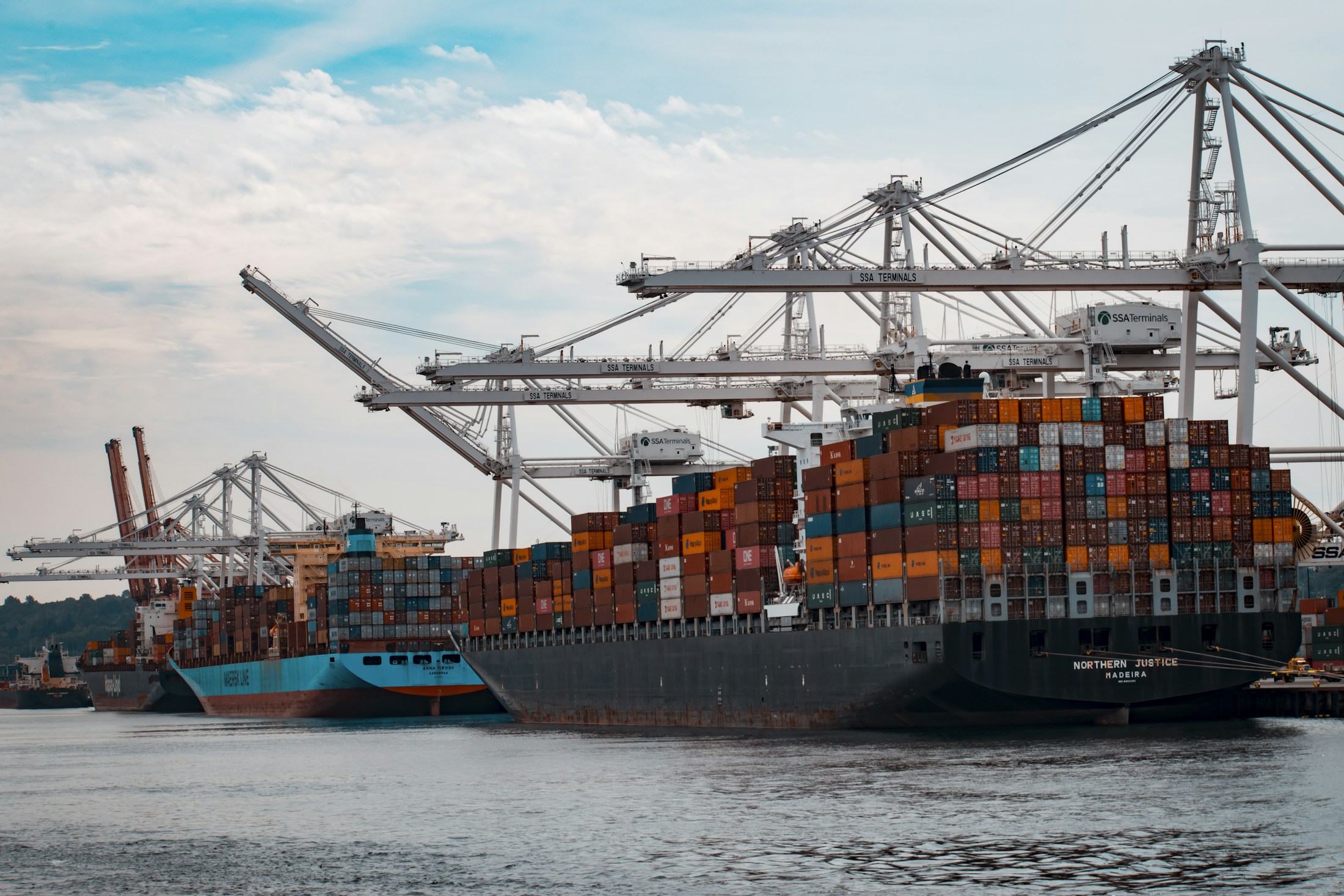
China sourcing basics for serious buyers
How to brief, sample, and think about landed cost — especially if you are used to Alibaba first.
Work with a South China sourcing partner built around Guangdong factories, pre-shipment quality gates, and fast factory-to-port logistics — so you protect landed margin instead of gambling on blind Alibaba carts.

A regional retail group moved seasonal home goods purchasing to our PRD shortlist and reported clearer margin after cutting a layer of defect-driven markdowns and emergency air freight.
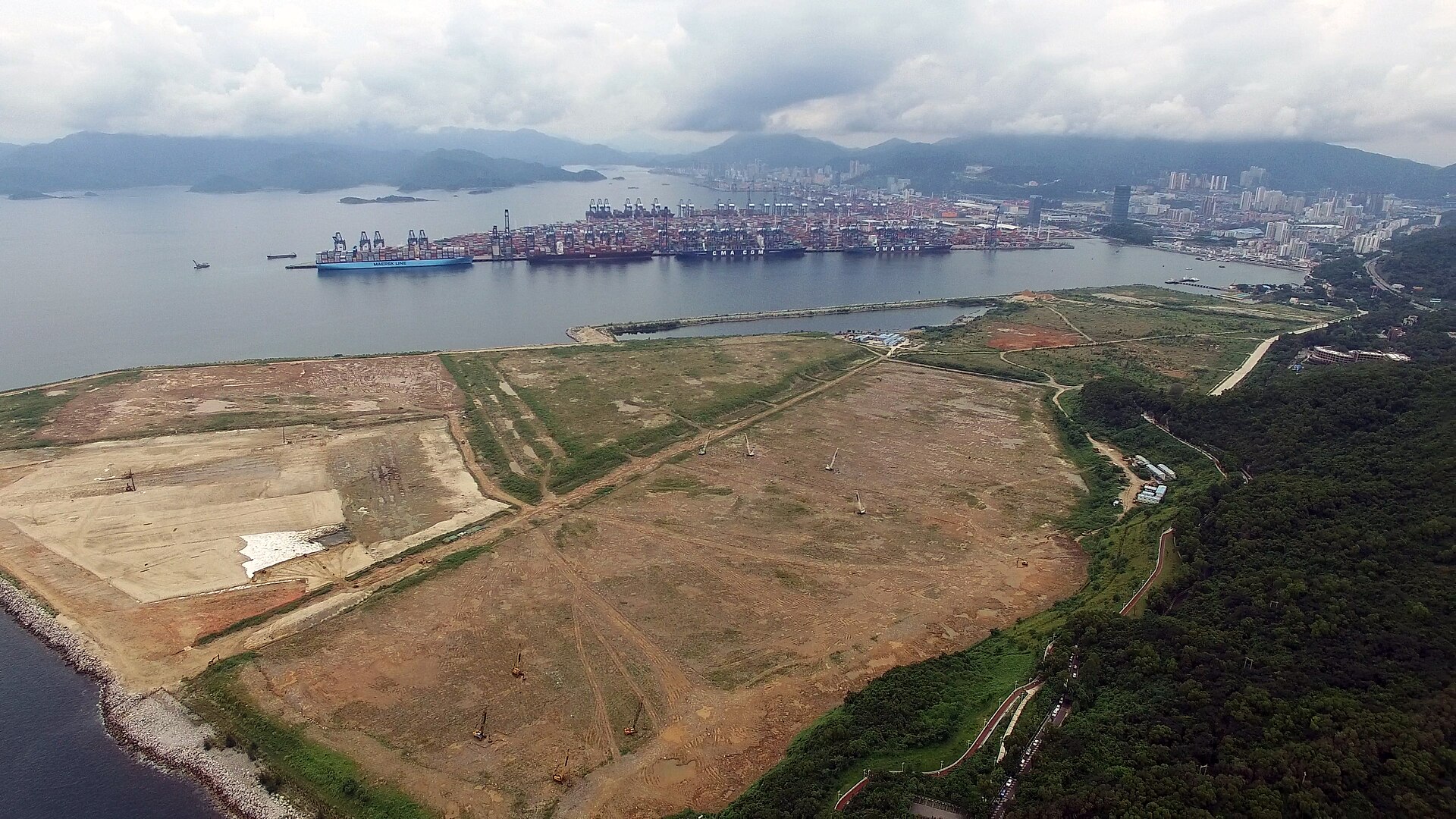
Our core strength is South China: Guangdong factories, PRD trading houses, packaging lines, and F&B producers — plus fast road and port connections that shorten the path from factory gate to vessel or air freight.
Well-known companies across retail and F&B have improved profitability by purchasing through Crispy Petals instead of sourcing directly on Alibaba — typically through tighter supplier selection, fewer QC failures, consolidated freight, and clearer total landed cost before they commit.
Marketplace search bars show whoever bid highest on keywords that morning. Our purchasing work starts inside the Pearl River Delta — matching your SKU specs, carton rules, and delivery calendar to makers who already export reliably, then inspecting goods before ocean or air handoff.

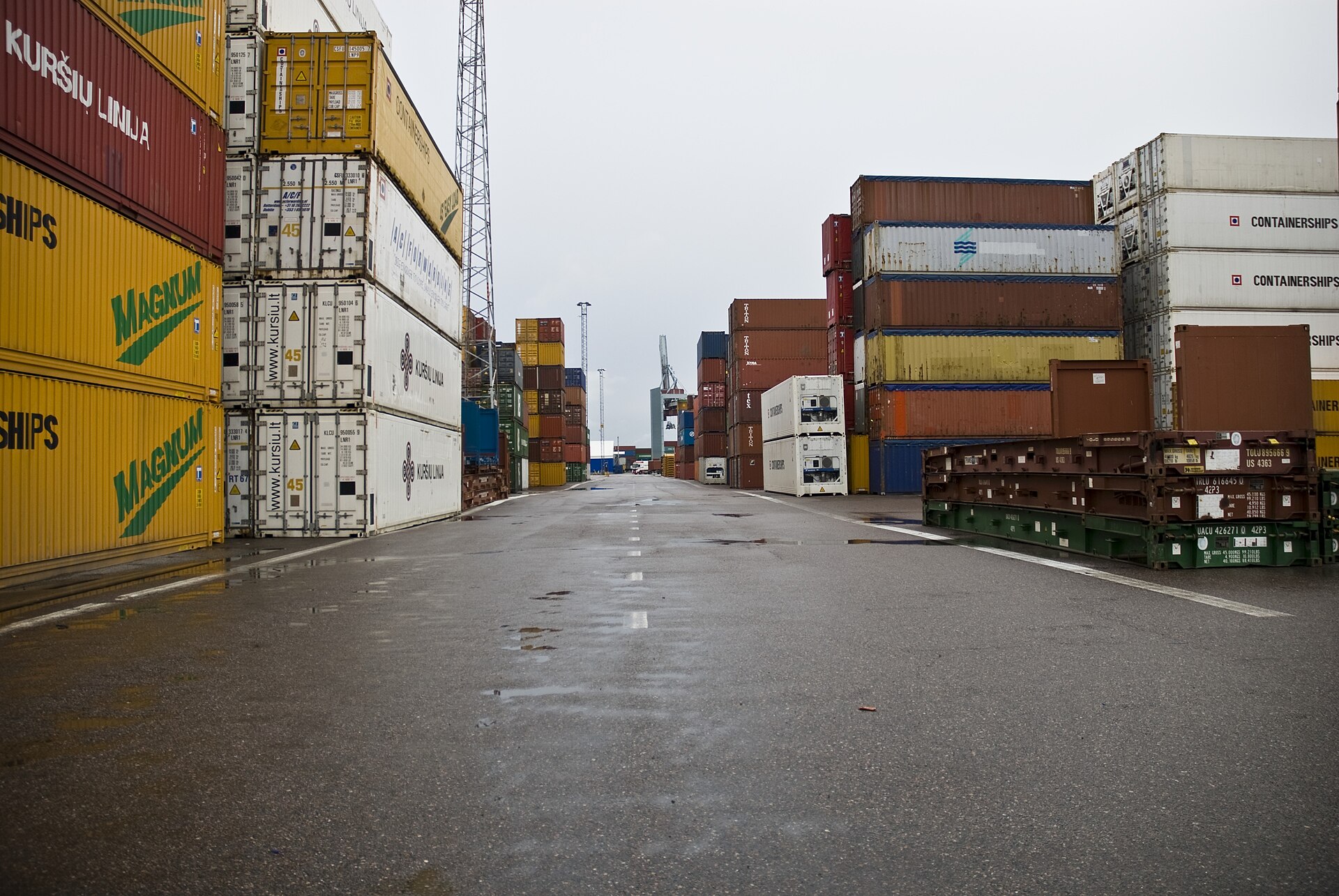
An F&B distributor compared landed cost on sauces previously bought via marketplace sellers versus our consolidated Guangdong program — and kept the structured channel for reorder profitability.
Every sourcing proposal is built to help you make a real margin decision: realistic factory MOQs, packaging specs, shelf-life or compliance flags, and consolidation paths.
We align on target unit economics and destination requirements first, shortlist capable Guangdong suppliers second, and lock physical samples before bulk production moves.
You share SKUs, target markets, rough volumes, and the margin reality you need. We translate that into a sourcing brief — including whether South China supply is the right fit.
We tap factories, workshops, and packing partners across Guangdong and the Pearl River Delta — prioritizing capability and export discipline over the lowest flashing bid.
Samples and written specs come before scale. You see materials, packaging, and pricing structure with fewer “surprises after deposit” moments common in pure chat-based buying.
We coordinate purchasing, quality checks, and consolidation so mixed consumer and F&B lines can move together when it helps your landed cost.
South China density means shorter factory-to-port and factory-to-airport legs when schedules are tight. We align cartons, documents, and handoff to your forwarder — or help you evaluate options.
Winning SKUs become reorder programs. That is how well-known retail and F&B buyers turn China purchasing into a profitability engine instead of a gamble.
Catching carton-strength and labeling defects inside Guangdong before cargo hits the terminal costs a fraction of reworking pallets after ocean freight.
Consumer goods and food & beverage lead our Guangdong catalog — backed by six additional sourcing hubs so multi-category assortments consolidate cleanly under one roof.
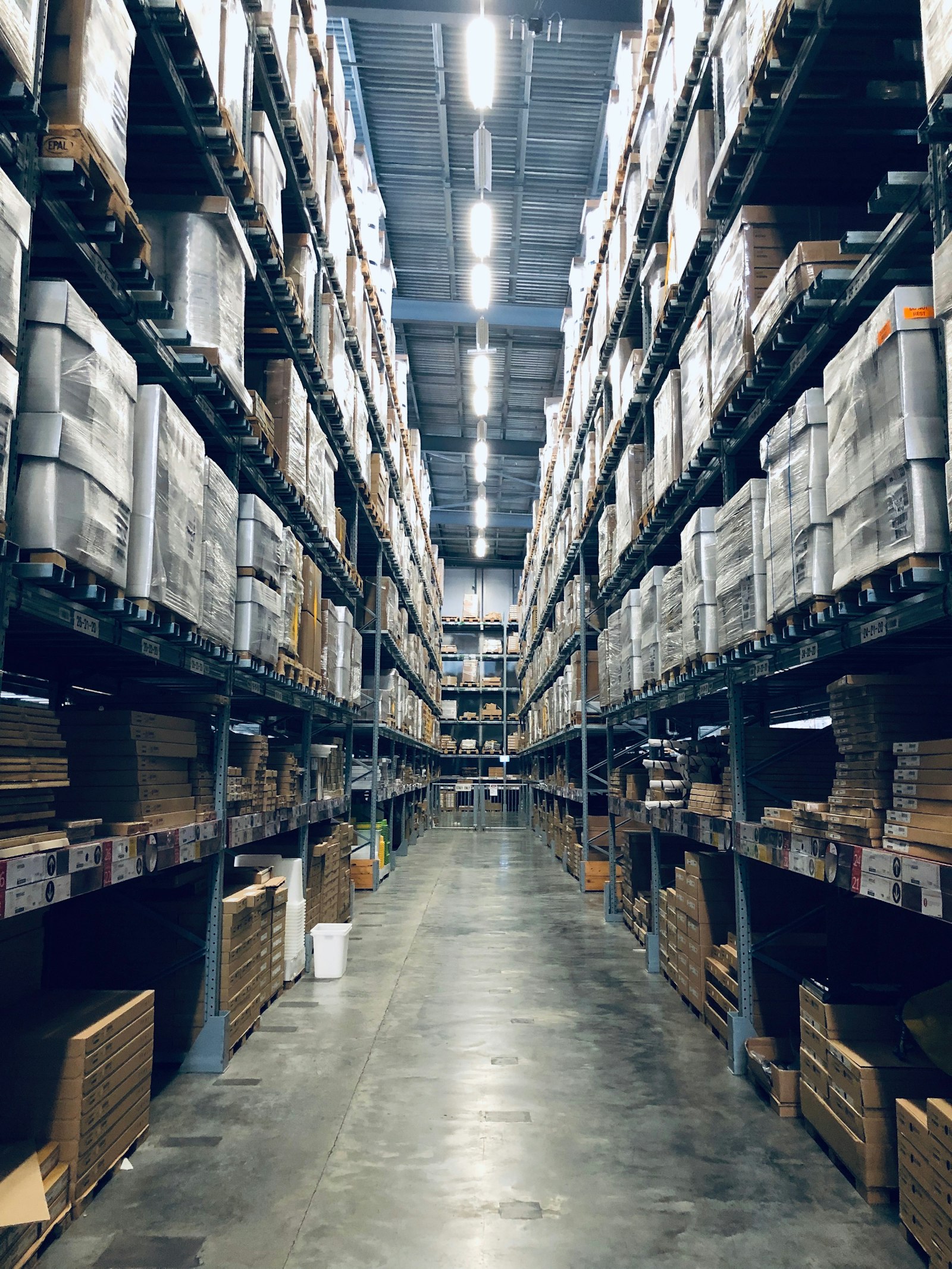
Everyday goods for retail, e-commerce, and hospitality — sourced through our Guangdong and PRD factory network.
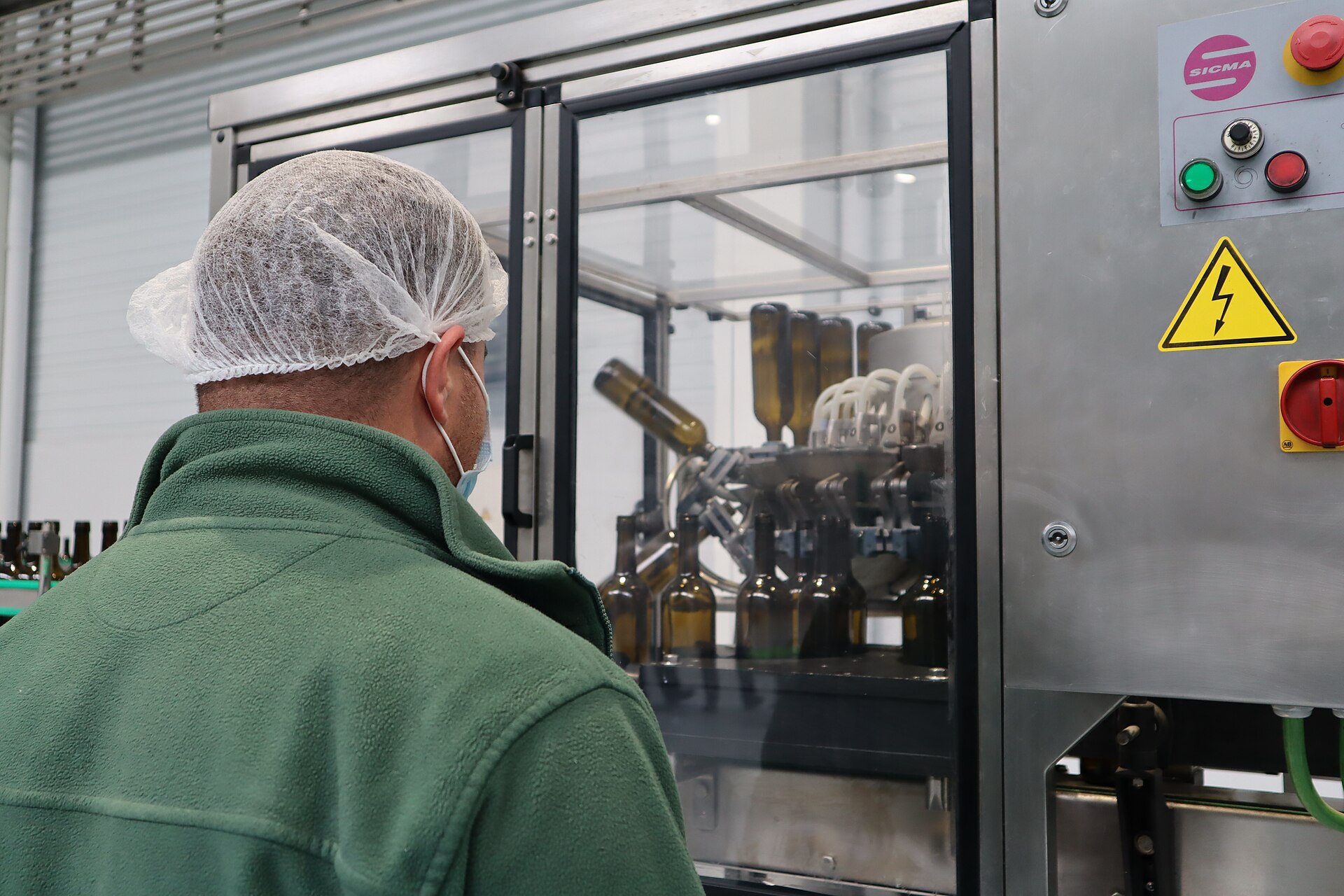
Packaged F&B, ingredients, and private-label food programs with shelf-life and labeling discipline.
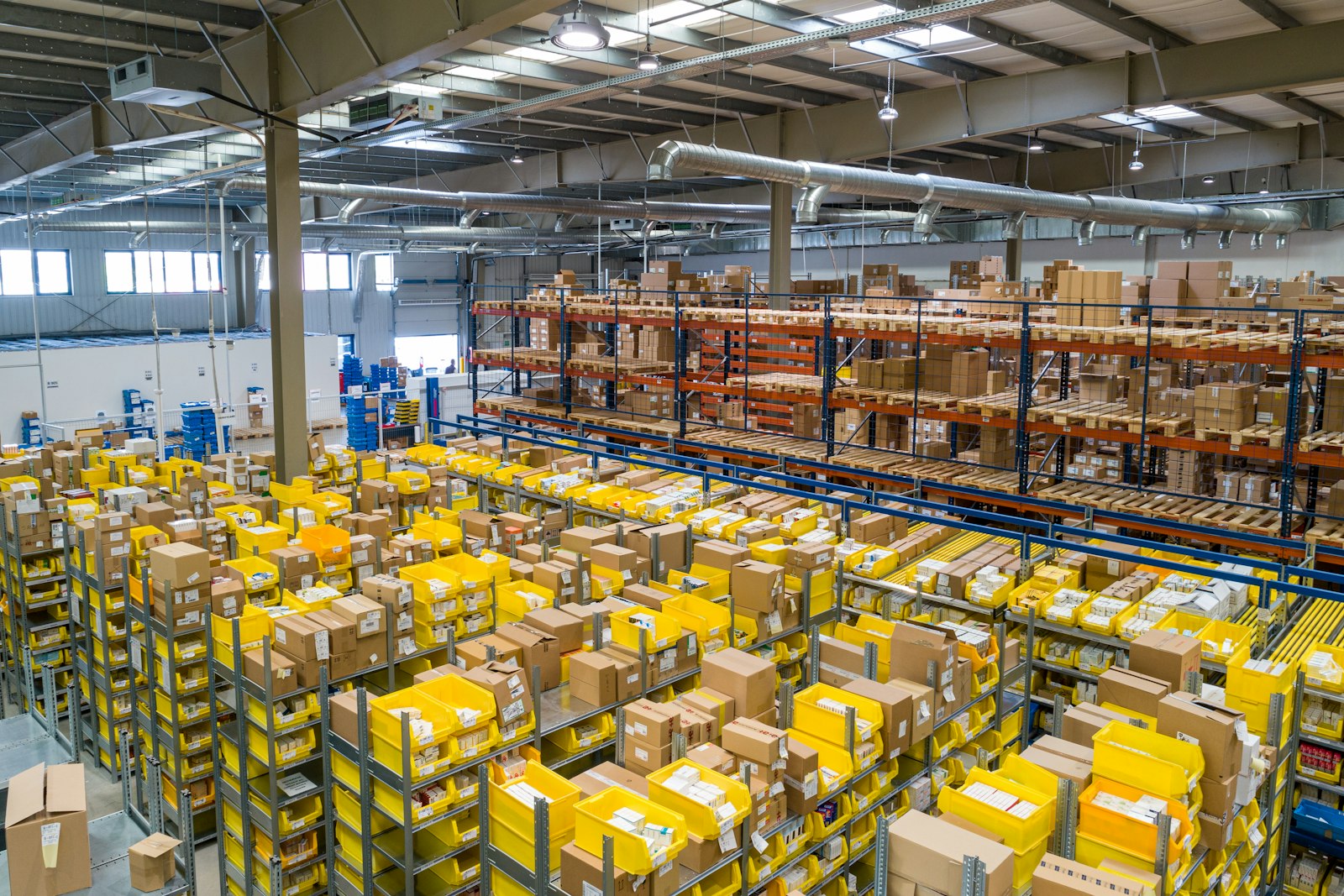
Food, retail, and foodservice packaging from PRD converters — often coordinated with your product orders.
Light MRO and warehouse consumables to consolidate with your China buys.
Basics, promo apparel, and home textiles with measurable specs.
Tools, accessories, and cosmetic packaging OEM in the PRD.
Selected small electrics with documentation-gated sourcing.
Corporate gifts, promo products, and F&B-friendly gift sets.
We provide China purchasing and sourcing services, with particular strength in Guangdong and the Pearl River Delta, and category depth in consumer products and food & beverage.
Alibaba is a discovery layer. We are an execution layer: supplier shortlisting from a working South China network, sampling discipline, purchasing coordination, QC, consolidation, and logistics-minded handoffs. Well-known companies across retail and F&B have improved profitability with this model versus sourcing the same types of goods directly on Alibaba — typically through fewer failures and clearer total landed cost, not magic discounts alone.
Our strongest network is South China — especially Guangdong and the Pearl River Delta — covering factories, packaging partners, and F&B producers with fast connections to major ports and air gateways.
Those are our lead categories, but we also support packaging, light MRO, textiles, beauty OEM, selected small appliances (compliance-gated), and gifts/promo — often alongside consumer or F&B programs.
We do not publish confidential client names on this website. On serious commercial discussions, we can describe engagement patterns and, where permitted, provide reference conversations under NDA.
No. Outcomes depend on SKU, volume, Incoterms, freight, and quality baselines. When we mention improved profitability, we mean total-program economics — margin after QC, freight, and remakes — not a promised discount rate.

We work best with retail buyers, F&B brands, distributors, and operators who treat China as a repeatable supply chain — not a one-off lottery ticket. You are in the right place if:
Send your SKU brief and target volume. You get a straight answer on South China fit either way.
A DTC brand stopped stacking five tiny Alibaba orders and used consolidation plus QC gates; cash tied up in remakes dropped while on-time launch rates improved.
Examples below are illustrative composites based on patterns we see when structured South China purchasing replaces ad-hoc Alibaba buying. They are not named endorsements and do not cite confidential clients.
“A regional retail group moved seasonal home goods purchasing to our PRD shortlist and reported clearer margin after cutting a layer of defect-driven markdowns and emergency air freight.”
“An F&B distributor compared landed cost on sauces previously bought via marketplace sellers versus our consolidated Guangdong program — and kept the structured channel for reorder profitability.”
“A DTC brand stopped stacking five tiny Alibaba orders and used consolidation plus QC gates; cash tied up in remakes dropped while on-time launch rates improved.”
Share specs, reference links, packaging needs, destination port, and calendar.
Receive vetted Guangdong options with honest notes on MOQs, QC, and landed economics.
Lock samples, run pre-shipment QC, consolidate cartons, and move fast to South China ports.
Practical field notes on briefing Guangdong factories, F&B import checklists, and landed-cost math versus Alibaba.
How to brief, sample, and think about landed cost — especially if you are used to Alibaba first.
A high-level process checklist before you print labels or book a container of food.
When to browse marketplaces — and when a Guangdong purchasing partner protects margin.
Factory-to-port time is a margin and calendar variable, not a footnote.
A low ex-works screenshot looks profitable until the first thing goes sideways: an unverified trader substituting cheaper resin, a sauce shipment with non-compliant allergen labels, five unlinked LCL bookings, or a late run that misses the vessel cutoff. One bad batch can erase a full year of unit-price savings.
Well-known companies across retail and F&B work with Crispy Petals because total landed cost — after factory vetting, pre-shipment QC, carton consolidation, and rapid Guangdong port handoffs — is what actually shows up on the P&L.
Ex-works unit price is never the real cost. When factories are vetted in Guangdong, cartons are consolidated, and goods clear QC before vessel cutoff, reorder margin stops leaking.
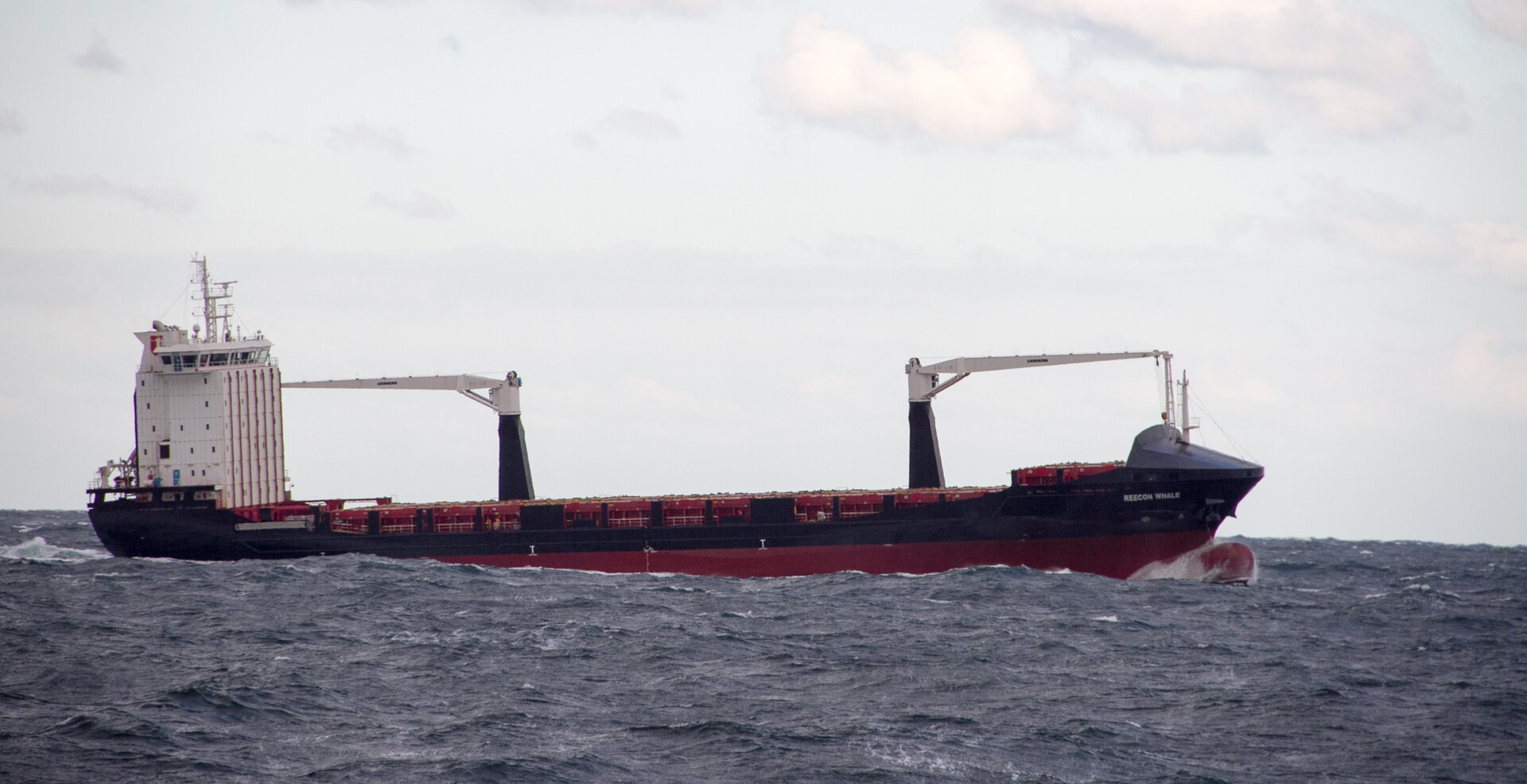
Planning multi-SKU imports from China through fragmented marketplace chats carries expensive consequences. Guess wrong on supplier quality or factory-to-port timing and you pay for emergency air freight or absorb markdowns on defective cartons. Our Guangdong purchasing desk maps the program before you commit:
Send your SKU specs, estimated volumes, and destination port — and start your next Guangdong production run with clear landed numbers.